
How to Capture Stunning Outdoor Photography on Your Travels
Capturing stunning outdoor photography on your travels is not just about having a good camera; it’s about understanding your environment, the right techniques, and the best times to shoot. Whether you are hiking through majestic mountains, exploring lush forests, or wandering along serene beaches, the right approach can make all the difference. This guide will provide you with essential tips and techniques to elevate your outdoor photography skills, ensuring that your travel memories are beautifully documented.
Understanding Light and Timing
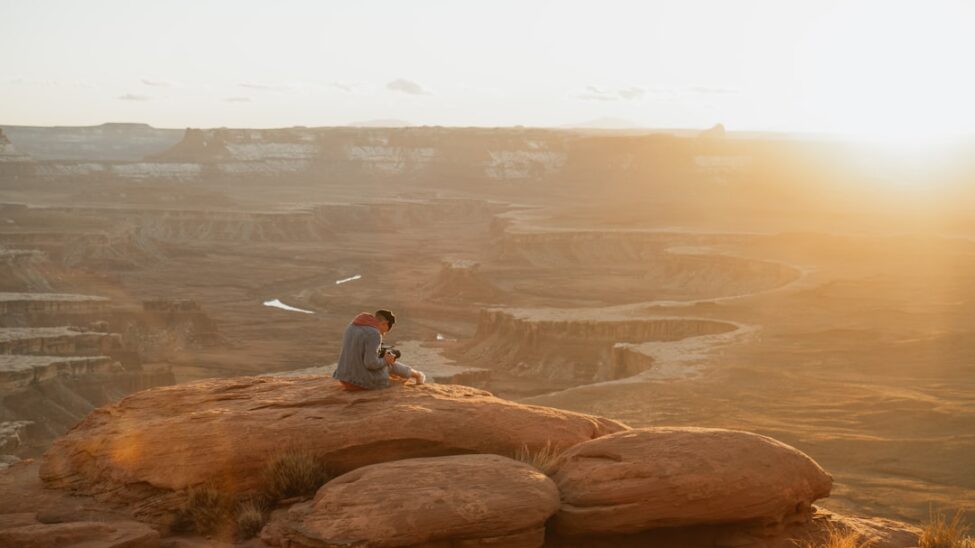
One of the most critical aspects of outdoor photography is understanding how light affects your images. The golden hour, which occurs shortly after sunrise and before sunset, provides soft, warm light that can enhance the beauty of your landscape shots. During this time, shadows are longer, and colors are more vibrant, making it an ideal time for photography. Additionally, overcast days can also be beneficial as they provide diffused light, reducing harsh shadows and allowing for more even exposure.
To make the most of the light available, plan your shoots around these times. Use apps that track sunrise and sunset times, and scout locations beforehand to find the best angles. Remember, the direction of light can dramatically change the mood of your photos, so experiment with different perspectives and compositions to capture the essence of your surroundings.
Composition Techniques
Composition is key to creating visually appealing photographs. The rule of thirds is a fundamental guideline that can help you frame your shots effectively. Imagine dividing your image into a 3×3 grid; placing your subject along these lines or at their intersections can create a more balanced and engaging photo. Additionally, leading lines, such as roads or rivers, can draw the viewer’s eye into the scene, adding depth and interest to your images.
Don’t be afraid to break the rules once you understand them. Experiment with different angles and perspectives to find unique compositions that tell a story. Incorporating foreground elements can also add depth to your images, making them more dynamic and inviting. Always be on the lookout for interesting patterns, textures, and colors that can enhance your composition.
Equipment Essentials
While you don’t need the most expensive gear to take great photos, having the right equipment can significantly improve your results. A sturdy tripod is essential for landscape photography, especially in low-light conditions or when shooting long exposures. It helps stabilize your camera, allowing for sharper images and more creative options, such as capturing star trails or smooth water effects.
Additionally, consider investing in a polarizing filter, which can reduce glare and enhance colors, particularly in bright outdoor settings. A good quality lens can also make a difference; wide-angle lenses are great for landscapes, while telephoto lenses can help you capture distant subjects without disturbing wildlife. Always carry extra batteries and memory cards to ensure you don’t miss any opportunities.
Post-Processing Techniques
Post-processing is an essential part of modern photography that can help you enhance your images further. Software like Adobe Lightroom or Photoshop allows you to adjust exposure, contrast, and color balance, bringing your photos closer to what you envisioned. Start with basic adjustments to improve the overall look of your images, and then experiment with more advanced techniques like cropping, sharpening, and applying filters.
However, it’s important to maintain a natural look in your edits. Over-processing can lead to unrealistic images that detract from the beauty of the scene. Always aim for a balance that enhances your photos while keeping them true to life. Consider creating presets for your favorite styles to streamline your editing process and maintain consistency across your travel photography.
Checklist: Prepare for Outdoor Photography
Before heading out for your photography adventure, ensure you have the following essentials: a fully charged camera battery, extra memory cards, and a sturdy tripod. Additionally, pack your favorite lenses and a polarizing filter to enhance your shots. Lastly, don’t forget to check the weather forecast and plan your shoot around the best light conditions.
By following these tips and techniques, you can capture stunning outdoor photography that reflects the beauty of your travels. Remember to practice regularly, experiment with different styles, and most importantly, enjoy the process of capturing the world around you. With time and dedication, your photography skills will improve, allowing you to create lasting memories of your adventures.