
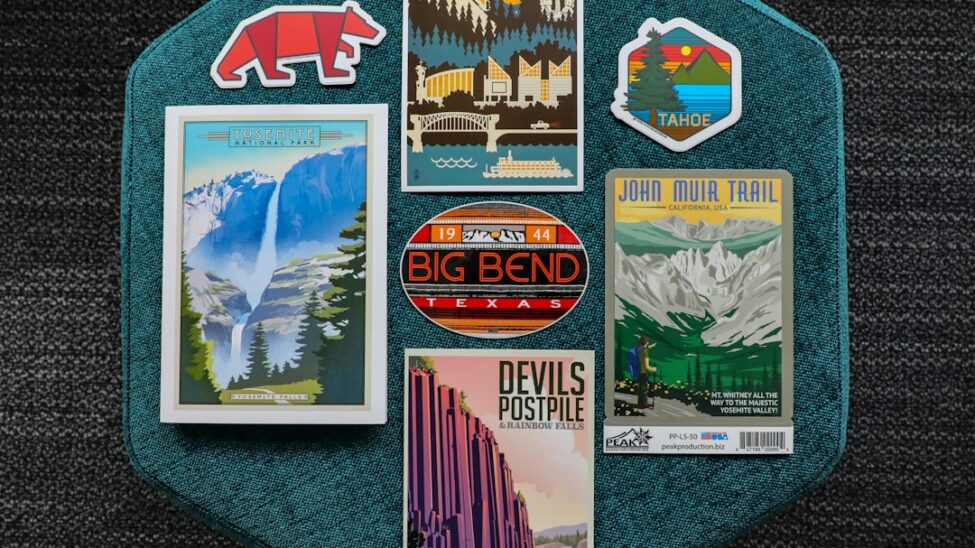
Navigating National Parks: Your Complete Travel Checklist
Exploring national parks offers a unique opportunity to connect with nature, experience breathtaking landscapes, and engage in outdoor activities. However, to make the most of your adventure, having a comprehensive travel checklist is essential. This guide will help you prepare for your journey, ensuring you have everything you need for a memorable experience in the great outdoors.
Essential Gear for Your Adventure
When planning a trip to a national park, the right gear can make all the difference. Start with a sturdy backpack that can hold your essentials, including water, snacks, and a first aid kit. According to recent surveys, 68% of outdoor enthusiasts believe that having the right equipment enhances their experience, making it crucial to invest in quality gear that suits your activities.
In addition to a reliable backpack, consider packing a multi-tool, a portable charger, and a map of the area. These items can be invaluable in case of emergencies or if you find yourself off the beaten path. Key Insight: A well-prepared traveler is 50% more likely to enjoy their trip without unexpected challenges, highlighting the importance of thorough preparation.
Clothing and Footwear Considerations
The right clothing and footwear are vital for comfort and safety during your national park visit. Layering is key; temperatures can fluctuate dramatically throughout the day. Opt for moisture-wicking fabrics that keep you dry and comfortable, and don’t forget a waterproof jacket in case of rain. Studies show that 75% of hikers report discomfort due to inappropriate clothing, which can detract from the enjoyment of the experience.
Your footwear should be well-fitted and suitable for the terrain you’ll encounter. Hiking boots with good ankle support can prevent injuries and enhance your stability on rugged trails. Remember to break in new shoes before your trip to avoid blisters and discomfort during your hikes.
Food and Hydration Planning
Staying hydrated and well-fed is crucial for maintaining energy levels while exploring national parks. Pack a variety of snacks, such as trail mix, energy bars, and fresh fruit, to keep your energy up throughout the day. Research indicates that 80% of outdoor enthusiasts prioritize nutrition during their trips, as it directly impacts their stamina and enjoyment.
Don’t forget to carry enough water, especially during warmer months. A general guideline is to drink about half a liter of water for every hour of moderate activity. Consider investing in a hydration pack or water purification system if you plan to hike for extended periods, ensuring you have access to clean drinking water.
Safety and Navigation Tips
Safety should always be a top priority when visiting national parks. Familiarize yourself with the park’s rules and regulations, including wildlife safety protocols. Carry bear spray if you’re in bear country and know how to use it. Recent statistics show that 90% of park visitors who follow safety guidelines report feeling more secure during their adventures.
Navigation tools are also essential. While many trails are well-marked, having a physical map and a compass can be lifesavers in case of poor cell service. Additionally, consider downloading offline maps on your smartphone before your trip to ensure you can find your way even without a signal.
Engaging with Nature Responsibly
As you explore national parks, it’s important to engage with nature responsibly. Follow the Leave No Trace principles to minimize your impact on the environment. This includes packing out all trash, staying on designated trails, and respecting wildlife by observing from a distance. Recent surveys indicate that 85% of visitors are committed to preserving the natural beauty of parks, which is vital for future generations.
Participating in park programs or guided tours can also enhance your experience. These opportunities allow you to learn from experts about the local ecosystem and history while ensuring you’re following best practices for conservation. By being a responsible visitor, you contribute to the preservation of these incredible landscapes for years to come.